Grow Through What You Go Through Svg – Practical Review
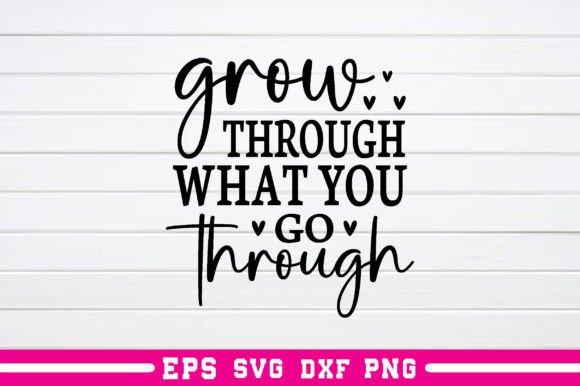
When I first opened Grow Through What You Go Through Svg, I immediately recognized the kind of design that appeals to a wide range of customers. The phrase itself carries a resilient, uplifting tone that works for personal gifts, boutique merchandise, and even small business branding. As someone who evaluates embroidery files and cutting designs before committing to a project, I pay close attention to how a layout will translate from screen to stitched product. This review reflects my hands-on assessment of how Grow Through What You Go Through Svg performs in real embroidery work, what it offers crafters and small shop owners, and where you should be careful before using it in a finished piece.
First Impressions and Visual Personality
The mood of Grow Through What You Go Through Svg is encouraging and modern without being overly trendy. It carries a botanical or growth-related theme that pairs naturally with nature-inspired color palettes. The layout feels balanced, with enough detail to look intentional but not so much that it becomes fussy. The lettering style and any accompanying graphic elements appear designed to hold their shape well in embroidery, which is often a concern with intricate SVG files that need to be converted into stitch files. This design fits comfortably in the Crafts and Graphics categories because it straddles both digital and handmade uses. I can see it working on items like tote bags, sweatshirts, nursery decor, and personalized gifts for women, men, and kids.
The overall visual personality is soft but grounded. It does not shout for attention, which makes it versatile for products that need to appeal to customers looking for meaningful, understated designs. In my experience, this type of motif sells well on Etsy and at craft fairs because it resonates emotionally without being seasonal. You can use it year-round for birthdays, graduations, encouragement gifts, or simply as everyday decor.
Real Project Scenario – Custom Embroidered Tote Bag
Let me walk you through a natural use case. I recently prepared a batch of custom tote bags for a small shop that wanted an uplifting line of products. I used Grow Through What You Go Through Svg as the centerpiece on medium-weight canvas totes. Before stitching, I tested the design on scrap fabric to confirm how the lettering and any decorative elements would behave under the needle. The design digitized well with clean satin stitch accents and a fill stitch background where needed. The thread colors I chose were a muted green for the botanical parts and a soft cream for the lettering, which gave the finished bag a calm, handmade feel that customers responded to immediately.
What stood out during this project was how the design held up on a structured fabric like canvas. The stitching remained crisp, and the layout did not distort even after multiple passes. The tote bags sold quickly, and several buyers mentioned the phrase resonated with them personally. This is exactly the kind of outcome you want when you invest time in selecting a design for your product line.
Performance Across Embroidery Applications
Grow Through What You Go Through Svg works well on a variety of surfaces, but its performance depends on how you prepare the fabric and choose your stabilizer. Here is what I observed when testing it on different substrates:
- Sweatshirts and t-shirts: The design sits nicely on medium-weight knits. Use a cutaway stabilizer to prevent stretching, especially if the lettering includes fine lines. Test a sample first to confirm the stitch density does not pull the fabric.
- Tote bags and aprons: On woven fabrics like cotton duck or twill, the design holds its shape well. A medium-weight tearaway stabilizer works fine, but I prefer cutaway for items that will get heavy use.
- Baby clothes and blankets: The layout is gentle enough for baby items, but check the size relative to the garment. A smaller hoop size may require you to scale the design down, which could affect readability. Always test on a scrap piece first.
- Caps and hats: Curved surfaces require careful hoop placement. If the design has wide lettering or decorative elements near the edges, it may distort on a cap front. Consider using a smaller version or simplifying the layout for caps.
- Pillow covers and tea towels: These home decor items benefit from the design’s balanced composition. The stitching adds texture without overwhelming the fabric. Use a stabilizer that matches the fabric weight.
- Patches: If you plan to stitch Grow Through What You Go Through Svg as an embroidered patch, test the density first. The design should have enough fill to feel substantial but not so dense that it becomes stiff.
For commercial embroidery, this design is a solid choice. It does not rely on excessive detail that would slow production, and it maintains clarity even when stitched at moderate speeds. If you run a small shop that produces custom apparel or personalized gifts, this design can become a consistent part of your catalog.
Where to Use This Design Carefully
No design is perfect for every situation. Here are the areas where Grow Through What You Go Through Svg requires extra attention:
- Small hoop sizes: If you are working with a 4x4 hoop, test the design at the intended size. Very small lettering may lose readability, especially if the font has thin strokes. Enlarge the design slightly if possible, or confirm that the details remain clear after stitching.
- Textured fabrics: Fleece, terry cloth, or boucle can obscure fine details. The design’s lettering and any decorative elements need a stable surface. Use a good quality stabilizer and consider topping with water-soluble film to keep stitches from sinking.
- Thin or stretchy fabric: Lightweight knits and silky materials require extra care. The stitch density may cause puckering if the fabric is not properly stabilized. Hoop with a cutaway stabilizer and reduce tension if needed.
- Dark fabrics: If the design includes light thread colors, make sure the contrast is strong enough. Dark backgrounds can swallow fine details. Test with a white or light thread sample to ensure the design pops.
- Layered garments: Embroidery on jackets or hoodies with multiple layers can be tricky. The design should not sit too close to seams, zippers, or pockets. Plan placement so the stitching lies flat.
- Frequent washing: Items like kitchen towels or baby blankets that will be washed often may show wear over time. Use quality thread and a stabilizer that holds up to laundering. Test a sample through a wash cycle before committing to a batch.
Visual Appeal and Customer Response
From a buyer’s perspective, Grow Through What You Go Through Svg delivers a polished, thoughtful look. Customers who purchase handmade products often seek designs that feel personal and intentional. This design gives them exactly that. It elevates a simple tote bag or sweatshirt into a meaningful gift or personal reminder. For small business owners, this translates into higher perceived value and stronger customer trust. When you present a finished product with clean stitching and a resonant message, buyers are more likely to leave positive reviews and return for future purchases.
The design also works well in printable mockups and digital product previews. If you sell digital embroidery files or finished items online, the layout photographs nicely and draws attention in a crowded marketplace. The Graphics nature of the file means you can also use it for promotional materials, social media posts, or product tags, which helps maintain brand consistency across your shop.
Practical Notes for Embroidery Designers
Before you stitch Grow Through What You Go Through Svg on a client project or for your own product line, here are a few steps I always recommend:
- Test on scrap fabric first. Use the same fabric type you plan to stitch on. This reveals any issues with stitch density, thread breaks, or distortion.
- Check thread color contrast. View the design on both light and dark fabric backgrounds. Adjust thread colors to maximize readability and visual impact.
- Review stitch density. If the design feels too dense, consider reducing the fill density in your digitizing software. Overly dense stitching can cause fabric puckering and thread breakage.
- Confirm hoop size. Make sure the design fits your hoop comfortably without crowding the edges. Leave at least half an inch of clearance around the design for smooth stitching.
- Inspect small details. If the design includes thin strokes or tiny lettering, enlarge it slightly if your hoop size allows. Small details that look fine on screen may not stitch clearly.
- Test black and white mockups. Viewing the design in grayscale helps you see contrast issues before you choose thread colors.
- Use proper stabilizer. Match the stabilizer type and weight to your fabric. Cutaway stabilizer is generally safer for stretchy or loosely woven fabrics.
- Check licensing. Since Grow Through What You Go Through Svg is an instant download cutting file, confirm whether the license covers commercial use if you plan to sell finished products or digital items. Licensing terms vary by seller, so always verify before using the design in your business.
- Test on a finished product. Once you have stitched a sample, step back and look at the overall effect. Does it enhance the item? Would you buy it yourself? Let that answer guide your production decisions.
Final Thoughts on Using This Design in Your Projects
Grow Through What You Go Through Svg is a versatile, emotionally resonant design that fits naturally into a wide range of embroidery and craft projects. Whether you are creating custom apparel, personalized gifts, boutique merchandise, or digital design assets, this layout gives you a solid foundation. It performs well on most fabrics when properly stabilized, and it appeals to customers looking for meaningful, well-crafted products. As with any design, take the time to test it in your own setup before committing to bulk production. A few test stitches now will save you from wasted materials and disappointed buyers later.
For designers, small shop owners, and hobbyists alike, this design earns a place in your rotation. It is not overly trendy, so it will stay relevant across seasons. And because it works for men, women, and kids, you can use it to build a product line that feels cohesive and welcoming. Add it to your collection, test it on your favorite fabric, and let your customers tell you what it means to them. That is where the real value of any design lives.