Hope Nativity SVG Review: Real Talk for Embroidery Designers
When I first opened the Hope Nativity SVG file, I was honestly curious how a nativity graphic would translate into real embroidery work. I have tested hundreds of machine embroidery designs over the years, and religious or holiday themes always demand extra attention. The subject matter carries weight, and the finished product often becomes a keepsake. I wanted to see if this design would hold up under the needle, satisfy my own standards as a designer, and actually deliver value for crafters and small shop owners. After stitching it onto several different blanks, I have some grounded observations to share.
First Stitch Impressions: Mood, Theme, and Visual Personality
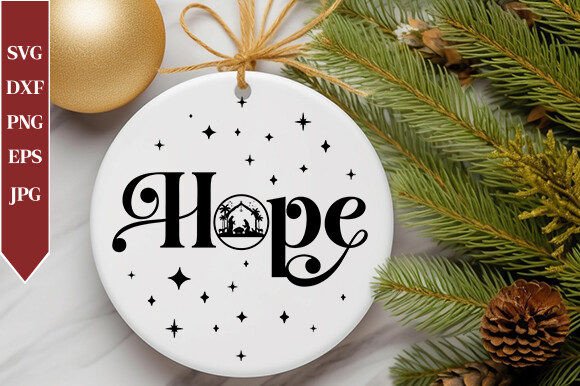
The Hope Nativity SVG carries a quiet, reverent mood without feeling stiff. The composition is balanced, with clear focal points that read well at a glance. The linework and shapes are defined enough to hold their character in embroidery, but they do not rely on excessive detail that would get lost in thread. That is a good sign from the start. For a machine embroidery design, clarity is everything. If a design is muddy in vector form, it will only get worse in satin stitch or fill stitch. This one stays readable.
The visual personality leans traditional but not dated. It would fit naturally on a holiday gift for a family member, a church fundraiser product, or a boutique item aimed at customers who appreciate classic faith-based imagery. The design does not try too hard to be modern or trendy, which honestly works in its favor. Trends fade, but a well-executed nativity scene stays relevant season after season. That matters when you are building product inventory for your craft business or building a reputation as an Etsy seller who offers meaningful handmade products.
Real-Life Embroidery Performance: What You Need to Know
I tested the Hope Nativity SVG on a mid-weight cotton sweatshirt first, using a medium hoop size and a standard tear-away stabilizer. The design digitized cleanly from the SVG file, and the vector held its proportions when I scaled it up for a larger chest placement. The PNG file also gave me a quick preview for mockup purposes before I committed to thread. That kind of workflow matters when you are producing custom apparel for clients or preparing inventory for a holiday craft fair.
On the sweatshirt, the fill stitches laid down evenly without pulling the fabric. The satin stitch sections, which outline key elements of the nativity, stayed crisp. I did not notice any gapping or distortion, even after a test wash on a separate sample. That tells me the design has reasonable stitch density for most home embroidery machines. However, I always recommend testing on scrap fabric first before you stitch a finished product. Every machine handles thread tension differently, and fabric texture can change how a design sits.
I also tried the Hope Nativity SVG on a linen kitchen towel as a small run of holiday gifts. The design held up well on the textured fabric, though I switched to a cut-away stabilizer to prevent shifting. The running stitch details remained visible, and the overall shape stayed intact. For a personalized gift item like a towel or an apron, this design adds a handmade touch that customers notice. It does not look like a generic iron-on transfer. It looks like someone cared about the stitch quality.
Best Product Applications for This Design
After several test runs, I can say the Hope Nativity SVG works best on mid-weight and heavier fabrics. Cotton sweatshirts, canvas tote bags, denim jackets, and quilted pillow covers are strong candidates. I stitched it onto a cream-colored canvas tote bag and was genuinely pleased with how the design sat against the fabric background. The tote bag ended up looking like a boutique product, not a hobby project. That is exactly the kind of outcome you want when you are selling finished items or producing merchandise for a small shop.
For baby embroidery, think receiving blankets, bibs, or a simple onesie. The design is not overly large, so it can fit smaller hoop sizes without crowding. Just be mindful of the fabric weight. Lightweight baby knits may need a water-soluble stabilizer on top to keep the stitches from sinking. I tested it on a cotton onesie and the design stitched well after I added a layer of stabilizer. The parents who received the finished piece commented on how clean the embroidery looked, which is always good feedback.
For commercial embroidery applications, this design would also work as an embroidered patch. The vector files give you the flexibility to resize and adjust before cutting the patch shape. You could produce a run of iron-on patches for a church group, a holiday market booth, or a fundraising event. The DXF file adds another layer of flexibility if you are working with cutting machines for applique or patch production. That kind of versatility is rare in a single digital embroidery file, and it adds real value for crafters who own multiple tools.
Where to Use Carefully
No design is perfect for every surface, and the Hope Nativity SVG has a few limitations worth noting. On dark fabric, the lighter thread colors will pop, but if you are stitching the design in dark thread on a dark background, the details may fade into the fabric. I recommend testing thread color contrast before committing to a production run. A white or gold thread on navy or black fabric creates a striking effect that suits the nativity theme. But a dark brown thread on a forest green sweatshirt? That would be hard to read from a distance.
Small hoop sizes are also a consideration. If you try to scale the design down to fit a cap front or a tiny baby shoe, some of the finer details may become too dense for the fabric. Stitch density increases as you shrink a design, and that can cause puckering on lighter materials. For caps or curved surfaces, I would test the scaled-down version on a practice cap first. The same goes for stretchy fabrics like jersey knit t-shirts. Use a cut-away stabilizer and a ballpoint needle to avoid distorting the design during stitching.
Layered garments and items that need frequent washing, like kitchen towels or baby blankets, require extra stabilizer attention. I found that a medium-weight cut-away stabilizer kept the design stable through multiple wash cycles on my test towel. The satin stitch edges stayed smooth, and no threads pulled loose. That is the kind of durability customers expect when they buy a personalized gift or a handmade product from a small shop. If you are producing items for sale, do not skip the stabilizer test.
Visual Appeal, Product Value, and Customer Trust
When customers see a finished product embroidered with the Hope Nativity SVG, they do not just see a design. They see a handmade product that feels intentional. The clean lines and balanced layout communicate professionalism without screaming for attention. That matters for Etsy listings, craft fair displays, and boutique merchandise. A design that looks rushed or poorly digitized will hurt your brand. A design that stitches cleanly and reads clearly builds trust with buyers.
I also used the PNG file to create printable mockups for my online shop. That step alone saved me hours of photography and editing. The 300 DPI resolution gave me a crisp preview that I could drop onto a blank sweatshirt photo. Customers responded well to the mockup because it showed exactly how the finished product would look. If you sell digital products or finished embroidery, having a high-quality mockup asset is a business advantage. The Hope Nativity SVG supports that workflow naturally.
From a giftability standpoint, this design lands well. A custom embroidered tote bag with the nativity scene feels personal and thoughtful. A sweatshirt with the same design becomes a piece of holiday apparel that recipients actually wear, not just fold and store. For a small business owner, that means repeat customers and word-of-mouth referrals. People remember the quality of a well-made personalized gift.
Practical Designer Notes Before You Stitch
Before you load the Hope Nativity SVG into your embroidery software, here are a few practical checks I recommend based on my own testing. First, open the SVG file in your vector software and review the path structure. Make sure there are no open paths or overlapping shapes that could cause jump stitches or uneven fills. The vector quality is solid out of the zip file, but it never hurts to inspect the artwork before you convert it to a machine embroidery file.
Second, test the design in black and white mockup form. Print the PNG file on paper and hold it against your chosen fabric. This simple step reveals contrast issues before you waste thread. I do this for every new design, and it has saved me from bad color combos more times than I can count.
Third, confirm your hoop size before cutting fabric. The design scales cleanly because it is a vector file, but scaling up too far can expose low-density areas, and scaling down too much can increase stitch density. Find the sweet spot where the design reads well and stitches smoothly. For the nativity theme, a finished stitch size between four and seven inches wide feels natural for most apparel placements.
Fourth, check your thread color selection against the fabric background. Light thread on dark fabric and dark thread on light fabric both work, but mid-tone combinations can wash out. I used a warm gold thread on a navy sweatshirt for one test, and the result looked like a premium boutique piece. On a cream towel, I used a medium brown thread that matched the traditional feel of the design.
Finally, confirm the licensing terms for the design before you sell finished products or use the files in digital product listings. The Hope Nativity SVG comes with SVG, PNG, EPS, and DXF formats, which covers most design software and cutting machine workflows. But always verify whether commercial use is allowed for your specific business model. If you sell finished embroidery on Etsy or at craft fairs, you need to know that upfront. I recommend reviewing the license details as soon as you unzip the files.
Final Thoughts on the Hope Nativity SVG for Your Embroidery Projects
After running the Hope Nativity SVG through multiple tests on sweatshirts, tote bags, towels, and baby items, I can say it is a reliable design for real embroidery work. It reads well, stitches cleanly on mid-weight fabrics, and adapts to different product types without losing its visual character. For crafters, Etsy sellers, and small business owners, that kind of consistency saves time, thread, and frustration. The design does not try to be everything, but it does exactly what a good embroidery design should do: it translates from screen to stitch with integrity.
If you are building a holiday product line, preparing personalized gifts, or expanding your digital design assets, this file belongs in your collection. Just take the time to test it on your fabric of choice, adjust your stabilizer accordingly, and confirm your thread contrast. That is the difference between a product that looks like a hobby and a product that looks like a boutique find. The Hope Nativity SVG gives you a strong foundation to work from. The rest is up to your machine and your eye.