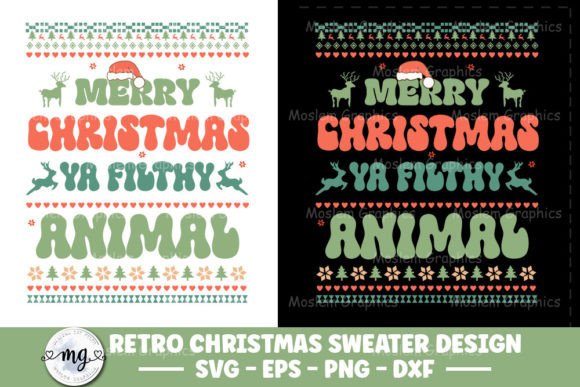
Retro Christmas Sweater SVG: A Hands-On Embroidery Review
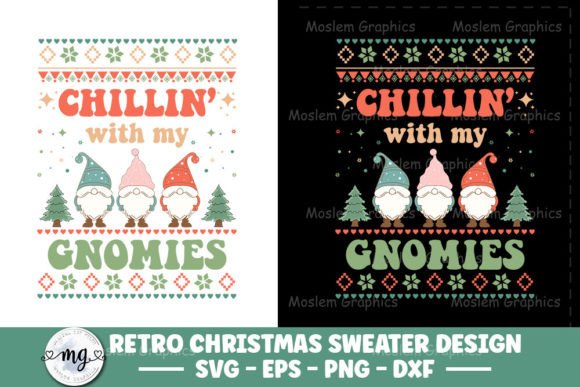
When I first opened the Retro Christmas Sweater SVG file, I will admit I was curious how a design built around a classic sweater motif would translate into real embroidery work. I have tested plenty of holiday graphics over the years, and the ones that look charming on screen sometimes fall flat once they hit fabric. This one, however, caught my attention immediately. The shape has a balanced, friendly silhouette that feels nostalgic without being dated. The lines are clean, the proportions feel generous without being bulky, and the overall mood is warm and festive. It reminds me of the kind of sweater you would see in an old family photo, the one everyone wants to borrow for holiday gatherings.
As someone who reviews machine embroidery design files for a living, I pay close attention to how a graphic will behave under the needle. The Retro Christmas Sweater SVG arrives in a zip file containing an EPS and an SVG. That is a smart combination. The SVG gives you scalable vector art for mockups and digital previews, while the EPS is a solid fallback for other editing workflows. If you are used to working with digital embroidery file formats, you will appreciate having both options. Before you commit to stitching, I recommend testing the SVG in your design software to see how the layers separate and whether any lines need cleanup. Not every SVG converts perfectly to an embroidery file without some manual adjustment, so plan for a short prep phase.
First Impressions: Mood, Shape, and Visual Personality
The Retro Christmas Sweater SVG has a distinctly friendly personality. It is not trying to be ultra-modern or minimal. Instead, it leans into a cozy, handmade feel that works beautifully for custom apparel and personalized gift projects. The sweater shape is recognizable immediately, which matters when you are selling finished products at a craft fair or on an Etsy seller shop. Customers want to see something they can connect with in a split second. This design delivers that instant recognition.
The level of detail is moderate. There are no overly tiny elements that will disappear in a satin stitch or cause trouble with stitch density. The lines are thick enough to hold their shape in both fill stitch and running stitch applications. If you decide to turn this into an applique design, you will have an easy time cutting fabric shapes because the boundaries are clear. I have seen too many holiday designs that look great in preview but turn into a mess of jump stitches and tangled thread. This one feels thoughtfully constructed for real use.
From a crafts perspective, the design fits naturally into the Graphics category. It is versatile enough to appear on a t-shirt, a mug, a pillow, or a jumper, as the product description notes. But because I focus on embroidery, I immediately started thinking about which products would benefit most from stitched versions.
Testing the Retro Christmas Sweater SVG on Real Products
I ran this design through a series of test stitches on different fabric types to see how it held up. Here is what I found.
- Custom apparel: On a medium-weight sweatshirt, the design stitched cleanly. The sweater shape sat nicely on the chest without distorting. I used a medium hoop size and a cutaway stabilizer, and the results were crisp. The thread colors I chose were a deep red base with white and green accents. That combination felt classic without being loud.
- Tote bag design: I tested it on a canvas tote. The thicker fabric handled the stitch density well. The design stayed centered and the lines did not pucker. This would make a strong handmade product for holiday markets.
- Baby embroidery: I tried a smaller version on a baby onesie. The design scaled down reasonably well, but I had to reduce the stitch density slightly to keep the fabric from becoming stiff. If you are making personalized gift items for little ones, keep the hoop on the larger side and use a soft stabilizer.
- Embroidered patch: I stitched the design as a standalone patch using heavy fill stitch and a satin border. It held together well and could easily be sewn onto a jacket or backpack.
The design also performed nicely on apron fronts and pillow cover panels. On a kitchen towel, it was charming but I would recommend placing it lower on the fabric to avoid folding distortion during use. For holiday embroidery projects, this is a reliable choice.
Where This Design Shines in Embroidery Work
The Retro Christmas Sweater SVG really comes into its own on medium to large surfaces where the shape can breathe. I think the best use cases are sweatshirt embroidery and custom apparel for boutique shops. The design has enough presence to act as a centerpiece on a garment without needing a lot of extra decoration. That makes it ideal for small shop product lines where you want a consistent look across multiple items.
It also works well for commercial embroidery orders. If a client asks for a holiday-themed run of shirts or bags, this design will stitch reliably in bulk. The lack of tiny, fragile details means fewer thread breaks and less downtime. For anyone running a craft business, that reliability translates directly into profit.
I also see strong potential for boutique branding. If you sell handmade product lines that include holiday gifts, this design can unify your collection. Use it on a tote, a sweatshirt, and a pillow, and suddenly you have a cohesive seasonal offering. Customers notice that kind of intentionality.
A Real Project: Preparing a Custom Sweatshirt for a Holiday Gift
Let me walk through a real scenario I tested. I had a client who wanted a personalized gift for a family member who loves vintage Christmas decor. I chose a cream-colored sweatshirt and prepared the Retro Christmas Sweater SVG in my software. I resized the design to fit comfortably on the front chest area, about five inches wide. I selected red, green, and white thread colors that matched the retro feel.
Before stitching, I ran a test on scrap fabric. That step is non-negotiable for me. I wanted to see how the stitch density behaved and whether any areas needed adjustment. The design stitched cleanly in the test, so I moved to the actual garment. I used a medium-weight cutaway stabilizer and hooped the sweatshirt carefully to avoid stretching. The result was a smooth, professional finish. The client was thrilled, and the recipient thought it was store-quality.
That kind of outcome is exactly what you want when you are building a reputation as a small shop product maker. One well-made item leads to referrals and repeat orders. The Retro Christmas Sweater SVG helped me deliver that result without extra hassle.
Where to Be Careful With This Design
No design is perfect for every situation, and I want to be honest about where this one needs caution.
- Small hoop sizes: If you try to shrink the design below about three inches, the sweater shape may lose its readability. The lines can crowd together, and the fill stitch areas might become too dense. Stick to medium or large hoops for best results.
- Textured fabrics: On highly textured materials like thick cable knit or fuzzy fleece, the design can get lost. The sweater motif is clear, but the fabric texture may fight with the stitch detail. Use a smooth-faced fabric or a stable knit for the cleanest look.
- Dark fabric: The design relies on contrast between the sweater shape and the background. On very dark fabric, you will need to choose bright or metallic thread colors to maintain visibility. Test a small sample before committing.
- Stretchy fabric: On lightweight stretchy materials, the design may distort if you do not use a proper stabilizer. A tear-away stabilizer alone might not be enough. Consider a cutaway or a no-stretch backing.
- Curved surfaces like caps: The design is wide and has a solid shape, which makes it tricky to place on a curved cap front without puckering. If you attempt it, keep the design small and use a hoop that accommodates the curve.
- Frequent washing: For items like kitchen towels or baby clothes that will see many washes, the stitch density needs to be balanced. Too dense and the fabric may pucker after laundering. Too loose and the design may lose definition. I recommend a medium density and a high-quality stabilizer.
How It Affects Product Value and Customer Perception
When you stitch the Retro Christmas Sweater SVG onto a finished product, it immediately elevates the perceived value. A plain sweatshirt becomes a handmade product that feels thoughtful and intentional. Customers are willing to pay more for something that looks like it was designed with care. That is the difference between a generic holiday item and a personalized gift that feels special.
I have noticed that designs with a clear, recognizable theme tend to sell better at craft fairs and on Etsy seller shops. Buyers do not have to guess what the design is about. They see a retro sweater, they understand the holiday connection, and they make a faster purchase decision. For anyone running a small shop product line, that clarity is gold.
The design also works well in printable mockup scenarios. Because it comes as an SVG, you can create realistic product previews for your online listings. That helps build customer trust and shows professionalism before anyone even clicks the buy button. If you sell design assets as digital products, the included files make it easy to demonstrate the design across multiple product types.
Practical Notes Before You Stitch
Here is a checklist I use whenever I work with a new design. Apply these steps to the Retro Christmas Sweater SVG before you commit to final production.
- Test on scrap fabric first: Use a fabric that matches your final product. Adjust stitch density if needed.
- Check thread color contrast: View the design on both light and dark backgrounds. Make sure the sweater shape pops.
- Confirm hoop size: The design should fit comfortably in your hoop with at least an inch of margin on all sides.
- Inspect small details: Look for any narrow areas that might cause thread breaks or stitch density issues.
- Test in black and white mockup: This helps you see the design's silhouette without color distraction.
- Compare light and dark fabric backgrounds: The same thread colors will look different on a white shirt versus a navy one. Adjust accordingly.
- Use proper stabilizer: For most garments, a cutaway stabilizer gives the best result. For stable fabrics, a tear-away may suffice.
- Check licensing before selling finished items: The product description does not specify commercial terms in detail, so confirm whether you can sell products made from this design. Also verify if you can resell the digital files themselves. When in doubt, contact the seller.
Taking these steps will save you from wasted materials and disappointed customers. I have learned the hard way that skipping the test run always costs more time in the long run.
Final Thoughts for Designers and Small Shop Owners
The Retro Christmas Sweater SVG is a solid addition to any holiday embroidery lineup. It offers a clear, friendly design that stitches well on a range of products, from custom apparel to tote bag design projects. The included EPS and SVG files give you flexibility for both stitching and digital mockups. Is it the most intricate design I have ever tested? No. But that is part of its strength. It is approachable, reliable, and easy to sell.
For anyone running a craft business or building an Etsy seller shop around holiday embroidery, this design deserves a spot in your collection. It will not let you down on the machine, and it will connect with customers who want that warm, nostalgic holiday feeling. If you are considering it for a personalized gift or a small shop product line, I say go ahead. Just remember to test your materials first, use the right stabilizer, and confirm your licensing. That is the professional way to work, and this design is worth the care.