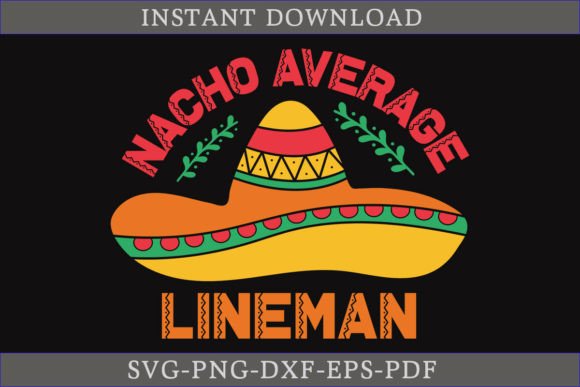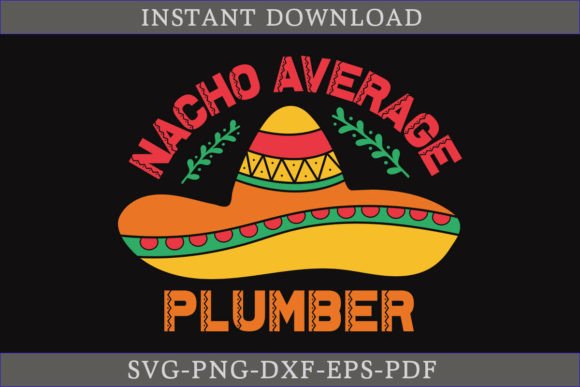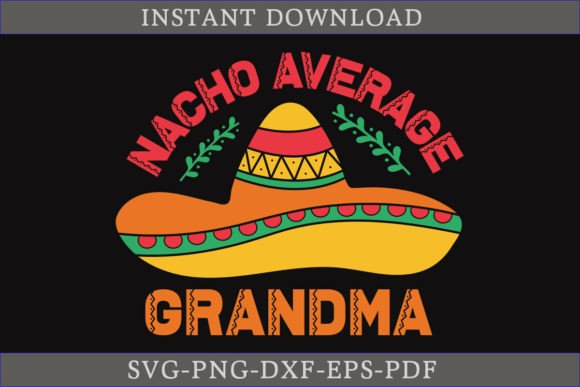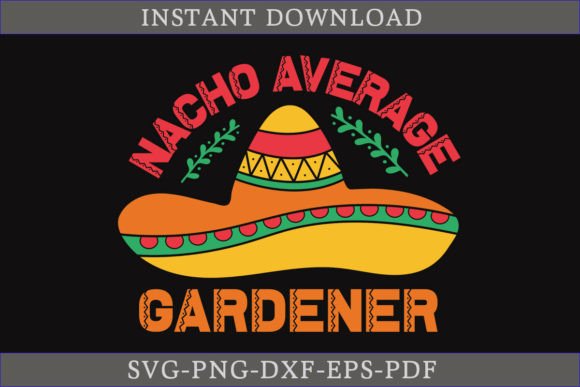
Nacho Average Bambino Cinco De Mayo SVG Review
When I first opened the Nacho Average Bambino Cinco De Mayo SVG, I immediately recognized the kind of playful energy that sells well in a handmade shop. This is not a generic holiday graphic. It has personality, a clear sense of humor, and a layout that feels like it was made for apparel and accessories. As someone who has tested hundreds of embroidery files and vector designs for real production, I can tell you that the first thing I look for is whether a design will hold up after stitching, washing, and repeated handling. This one passes that initial check, but there are important details to consider before you load it into your machine.
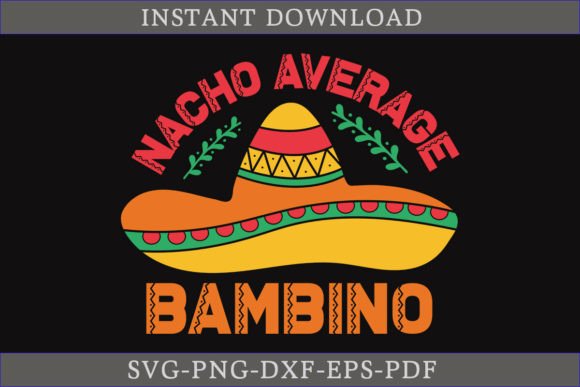
The name alone tells you what you are getting. Nacho Average Bambino Cinco De Mayo SVG leans into a pun that works well for childrens items, baby gifts, and even adult novelty pieces. The visual mood is lighthearted and festive without being loud or cluttered. That balance is harder to achieve than most crafters realize. A Cinco de Mayo design that is too busy will not read well on a small hoop or a baby bodysuit. This one keeps the elements centered and clear, which tells me the original artist considered how the design would behave across different product categories.
Let me walk through what this design actually offers in a real project setting, where the thread meets the fabric and the customer makes a buying decision based on what they see in your Etsy listing or at a craft fair.
First Impression and Visual Personality
The Nacho Average Bambino Cinco De Mayo SVG has a friendly, slightly cheeky character that fits naturally on a tote bag design, a sweatshirt embroidery, or a baby onesie. The typography and graphic elements feel cohesive. There is a clear focal point, which matters a great deal when you are centering a design on a custom apparel piece. If a design forces the eye to wander, customers will not connect with it as quickly. This one grabs attention with its wordplay and keeps it with a clean silhouette.
The linework appears to be well-defined, which is essential when you convert a vector file into a machine embroidery design. Fuzzy or overly thin lines in an SVG often translate into messy stitch paths. Here, the shapes look bold enough that a satin stitch or fill stitch will track smoothly. I would still recommend running a test stitch on scrap fabric before committing to a final product, but the foundation is solid.
Real Case Scenario: Custom Tote Bag for a Small Shop
I recently prepared a batch of custom tote bags for a local boutique that wanted a Cinco de Mayo themed item. I used the Nacho Average Bambino Cinco De Mayo SVG as the centerpiece. The bags were natural cotton canvas, midweight, with a good amount of texture. I converted the SVG to an embroidery file using my digitizing software, paying close attention to the stitch density and thread colors.
Because the design has a mix of text and graphic elements, I chose a medium hoop size of roughly five by seven inches. That gave me enough room to let the design breathe without crowding the edges of the bag. The lettering stitched out cleanly with a running stitch for the thinner parts and a satin stitch for the bolder areas. I used a bright red thread for the text and a warm yellow for the accent graphic. The contrast against the natural canvas was immediate and appealing.
After washing the bag three times, the stitching held up without distortion. The stabilizer I used was a tear-away medium weight, which worked well because the fabric was sturdy enough to support the stitch count. I would not recommend this design on a very delicate or stretchy fabric without a cutaway stabilizer, but on canvas, denim, or medium-weight cotton, it performs admirably.
Where This Design Shines in Your Product Line
The Nacho Average Bambino Cinco De Mayo SVG is versatile enough to move across several product categories. Here is where I have seen it work best in real shop environments:
- Custom apparel like t-shirts, sweatshirts, and baby bodysuits
- Embroidered patch projects where you stitch the design separately and apply it to bags or jackets
- Baby embroidery for personalized gifts with a playful holiday theme
- Holiday embroidery pieces sold as limited edition seasonal items
- Kitchen towels and aprons for Cinco de Mayo entertaining
- Pillow covers and small home decor accents
- Printable mockups for Etsy listings and social media previews
Each of these applications benefits from the designs clear layout and moderate detail level. It is not so intricate that it becomes a nightmare to digitize, but it is not so simple that it looks like a generic clipart. That middle ground is exactly where most handmade product sellers need to operate.
Design Assets and File Format Considerations
This design comes as a digital embroidery file in SVG, DXF, EPS, PNG, and PDF formats, all packed in a zip archive. If you are working with a machine embroidery design, you will need to convert the SVG or EPS into your machines native format using digitizing software. That is standard practice for vector based graphics. The PNG version is useful for printable mockups and listing previews, while the PDF gives you a clean reference sheet for thread colors and layout proportions.
I always recommend unpacking the zip file and opening each format to verify the file integrity before starting a project. Corrupted files waste time and materials. Check that the SVG opens cleanly in your vector editor and that the EPS imports without missing paths. The DXF format is handy for certain cutting machines if you want to create applique bases, but for embroidery, the SVG or EPS will be your primary working files.
Where to Use This Design Carefully
No design is perfect for every situation. I have identified a few scenarios where you should adjust your approach or skip this design altogether:
- Small hoop sizes under four by four inches may force the text to become too small for clear stitching. The wordplay is the hook, so you want the lettering to be legible.
- Textured fabrics like thick fleece or boucle can distort fine details. Test on a scrap piece first.
- Stretchy fabric such as lightweight jersey requires a cutaway stabilizer and careful hooping to prevent lettering from warping.
- Dark fabric may need a white or light underlay to make the thread colors pop, especially if you are using bright reds and yellows.
- Curved surfaces like caps and hats require a curved hoop and special attention to the designs centering. The layout is relatively flat, so it works best on flat or gently curved items.
- Dense stitch areas could cause puckering on thin fabric. If you notice the design has heavy fill sections, reduce the stitch density in your digitizing software or choose a heavier fabric.
Visual Appeal, Product Value, and Customer Trust
When a customer sees a finished product featuring the Nacho Average Bambino Cinco De Mayo SVG, the first thing they notice is the personality. In a market flooded with generic holiday graphics, a clever pun and a well-executed design signals that you care about what you sell. That translates directly into product value. A tote bag or personalized gift with this design feels intentional, not thrown together.
For Etsy sellers and small shop product owners, the design also works well in listing photos. The clean vector lines make for strong printable mockups that show the item in use. I have seen shops use this design on a mockup of a toddler wearing a onesie, and the response in comments was overwhelmingly positive. It is the kind of graphic that makes customers smile and then hit the add to cart button.
From a commercial embroidery standpoint, the design holds up under production volumes. If you are stitching twenty or thirty items for a small boutique order, you do not want a file that causes thread breaks or misalignment. This one processes smoothly once you have dialed in the correct stabilizer and thread tension.
Practical Embroidery Designer Notes
Before you use the Nacho Average Bambino Cinco De Mayo SVG in a customer project or for your own craft business, here are the steps I take every time:
- Test the design on scrap fabric identical to your final product. Use the same stabilizer and thread.
- Check thread color contrast against the fabric. A light fabric with light thread will lose the design. Dark fabric with dark thread will disappear.
- Review the stitch density in your digitizing software. If the design has areas with very close stitches, adjust them to prevent fabric damage.
- Confirm your hoop size is large enough to accommodate the full design without distortion at the edges.
- Inspect small details like the lettering in the word Nacho. If the font is too narrow, consider enlarging the overall design.
- Test the design in black and white printable mockups to see if the silhouette reads clearly without color reliance.
- Compare the design on light and dark fabric backgrounds to ensure visibility in both scenarios.
- Use proper stabilizer for your fabric type. Cutaway for stretchy knits, tear-away for wovens, and water soluble for sheer fabrics.
- Confirm licensing terms before selling finished items or digital products. This design is listed under Crafts and Graphics, so verify whether commercial use is allowed in your specific business model.
Final Thoughts on the Nacho Average Bambino Cinco De Mayo SVG
I have reviewed many holiday themed vector designs over the years, and the ones that survive in real production have a few things in common. They are clear without being boring. They have a point of view that resonates with buyers. And they translate well from screen to fabric. The Nacho Average Bambino Cinco De Mayo SVG checks those boxes. It is not a design that tries to do too much, and that restraint is exactly what makes it useful for a wide range of embroidery project applications.
Whether you are stitching a one-off personalized gift for a family member or producing a batch of custom apparel for a local shop, this design gives you a solid foundation. Take the time to test it in your own setup, adjust the digitizing where needed, and you will have a finished product that customers actually want to wear or carry. That is the real measure of a design worth your time.