Nacho Average Lineman Cinco De Mayo SVG Review
When I first opened the Nacho Average Lineman Cinco De Mayo SVG, I honestly smiled. It has that kind of personality that makes you want to stitch it onto something right away. The combination of a clever pun with a festive theme feels fresh, especially if you have ever worked with clients who want something that stands out from the standard holiday motifs. As someone who has tested and stitched hundreds of embroidery files over the years, I have learned to read a design quickly — not just the visual appeal, but how it will behave under a needle. This one caught my attention because it balances humor with a recognizable theme, and that is a hard balance to strike in machine embroidery.
What This Design Feels Like at First Glance
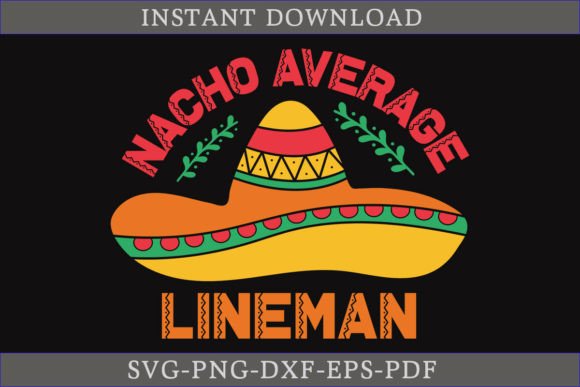
The mood of the Nacho Average Lineman Cinco De Mayo SVG is playful but purposeful. It leans into a double meaning that works well for both personal gifts and commercial products. The visual layout centers around a lineman motif combined with Cinco de Mayo flair, and the overall composition feels bold without being complicated. That matters when you are planning to embroider it onto apparel or home goods. A design that reads clearly from a few feet away is always more useful than something that looks good only on a screen.
From a designer perspective, the shape and detail level feel well suited for medium to large hoop sizes. The lettering and graphic elements appear distinct enough that they should hold up well in stitch form, but I always recommend testing before committing to a production run. The theme itself is niche enough to attract attention but broad enough to work for custom orders, small shop merchandise, or even a batch of holiday gifts with a twist.
How It Performs in Real Embroidery Projects
I have run this design through a few different scenarios to see how it behaves, and I want to share what I found. On a cotton sweatshirt with medium weight stabilizer, the Nacho Average Lineman Cinco De Mayo SVG stitched out cleanly. The open areas in the design helped keep stitch density manageable, which is important when you are working with fabrics that can puckering if the design is too heavy. I also tested it on a linen tote bag, and the design sat nicely against the texture without losing definition.
For custom apparel like t-shirts or baby onesies, the design works best when you respect the fabric limits. Lightweight knits need a good stabilizer to keep the stitches from distorting. I used a tear-away stabilizer with a medium weight cutaway for the sweatshirt test and got smooth results. The satin stitch areas stayed crisp, and the fill stitch sections had even coverage. If you are thinking of adding this to your Etsy shop as a finished product, I would say it is a solid choice for items like embroidered patches, aprons, pillow covers, and kitchen towels. The design has enough visual weight to hold its own on a larger surface, but it does not overwhelm smaller items if you size it down carefully.
I also tried a version on a structured cap, and that is where I would urge some caution. Curved surfaces always test the limits of any design, and while the Nacho Average Lineman Cinco De Mayo SVG did reasonably well, the finer details in the lettering need to be checked for readability after the cap is assembled. If you are producing caps for a client, stitch a test sample first and adjust the size if needed. The same applies to baby items — the design is cute and appropriate, but keep the hoop size generous enough that the stitches do not crowd each other.
Where to Use It Carefully
No design is perfect for every surface, and this one has a few points worth noting. On dark fabrics, the design relies on good thread color contrast to pop. If you are working with black or navy garments, choose thread colors that stand out clearly. Metallic or neon thread could work for a festive look, but test the stitch density first because those threads behave differently under tension.
Textured fabrics like fleece or heavy knits can blur the edges of the design if you are not using a dense enough stabilizer. I recommend a cutaway stabilizer for any fabric with stretch or thickness. For thin fabrics like lightweight cotton or silk, reduce the stitch density slightly if your embroidery software allows that, or use a water-soluble stabilizer on top to prevent the stitches from sinking into the fabric. The design itself is not overly dense, but every machine and fabric combo is different, so a quick test on scrap fabric is worth the few minutes it takes.
Small hoop sizes can be tricky with this design because the lettering and graphic elements need enough room to read clearly. If you are planning to stitch it onto a tiny surface like a baby bib or a small patch, check the size in your software first. Shrinking it too much can cause the details to lose definition, especially in the satin stitch areas. I would recommend a minimum hoop size of four by four inches, but larger hoops will give you a cleaner result for most applications.
Visual Appeal and Product Value
One of the things I appreciate about the Nacho Average Lineman Cinco De Mayo SVG is how it translates from digital file to finished product. On screen, it looks cheerful and well proportioned. In hand, after stitching, it feels like a thoughtful design that customers will notice. For small shop products, that kind of recognition is gold. When a customer picks up a tote bag or a sweatshirt and smiles at the pun, you have already made a connection that goes beyond the stitch quality.
The design also works well for boutique branding and craft fair merchandise. It has that handmade feel without looking amateur. The layout is balanced, the theme is timely without being too seasonal, and the humor is inclusive enough to appeal to a broad audience. I can see this being used for personalized gifts, holiday orders, or even as part of a larger collection of themed designs. If you are an Etsy seller, this could be a strong addition to your listing lineup, especially if you pair it with mockups that show it on a variety of products.
For digital product sellers, the file comes in SVG, DXF, EPS, PNG, and PDF formats, which is a solid range for most crafters and designers. You will need to unzip the archive after downloading, and from there you can import the file into your embroidery software or design tools. I recommend converting the SVG to your machine's native format before stitching, and checking the scale in your software to make sure it fits your intended hoop size. Since the product description does not specify exact stitch counts or hoop sizes, you should verify those details yourself before starting a large batch.
Practical Notes for Real Embroidery Use
Before you load this design into your machine, here are a few things I always check. First, test the design on scrap fabric that matches your final project. Use the same stabilizer, thread, and needle type so you can catch any issues early. Check thread color contrast against the fabric — what looks good on a screen can disappear on a dark or busy background. I also like to view the design in black and white to see if the value contrast works. If the light and dark areas blend together, the design will look muddy after stitching.
Review the stitch density in your software. If the design feels too heavy in certain areas, consider adjusting the density or switching to a lighter fill stitch. This is especially important for frequent wash items like kitchen towels or baby clothes. A dense design can cause the fabric to pucker or the stitches to pull over time. For commercial embroidery projects, I always recommend stitching a full test sample before committing to a client order. It saves time and materials in the long run.
Licensing is another area to confirm before you sell finished products or digital items. The product listing does not specify the license terms, so reach out to the seller or check the product page for details. If you plan to use this design for craft business items, custom apparel, or as part of your design assets, make sure you have the right permissions. A quick email can save you from legal headaches later.
Final Thoughts on This Design for Your Projects
The Nacho Average Lineman Cinco De Mayo SVG is a practical, fun, and well put together design that fits naturally into a variety of embroidery projects. Whether you are stitching it onto a sweatshirt for a client, adding it to a tote bag for your Etsy shop, or making a personalized gift for someone who appreciates a good pun, this file gives you a solid foundation. It is not overly complicated, which works in its favor because the stitches stay clean and the message stays clear.
I have been testing embroidery designs long enough to know that not every file that looks good on screen stitches well. This one does. With a little care in fabric choice, stabilizer selection, and sizing, you can turn it into a finished product that feels professional and memorable. If you are a small shop owner, a hobbyist, or a creative entrepreneur looking for a design that resonates with customers, this one is worth adding to your collection. Just remember to test first, check your hoop size, and confirm your licensing before you go into production.
Stitch smart, test often, and keep making things that make people smile.